Zainergy

Why real-time energy monitoring matters

See it. Understand it. Optimise it.

A monthly bill tells you what happened four weeks ago. Real-time monitoring tells you what is happening now, while you can still do something about it.

  • Complete visibility: grid, solar, genset and load on one screen, per site and per panel
  • Faster fault detection: a tripped feeder, a silent meter or a voltage dip shows up in minutes
  • Smarter decisions: run heavy loads when they cost least, and prove the saving afterwards
  • Remote access: the same live figures on your phone, wherever you are
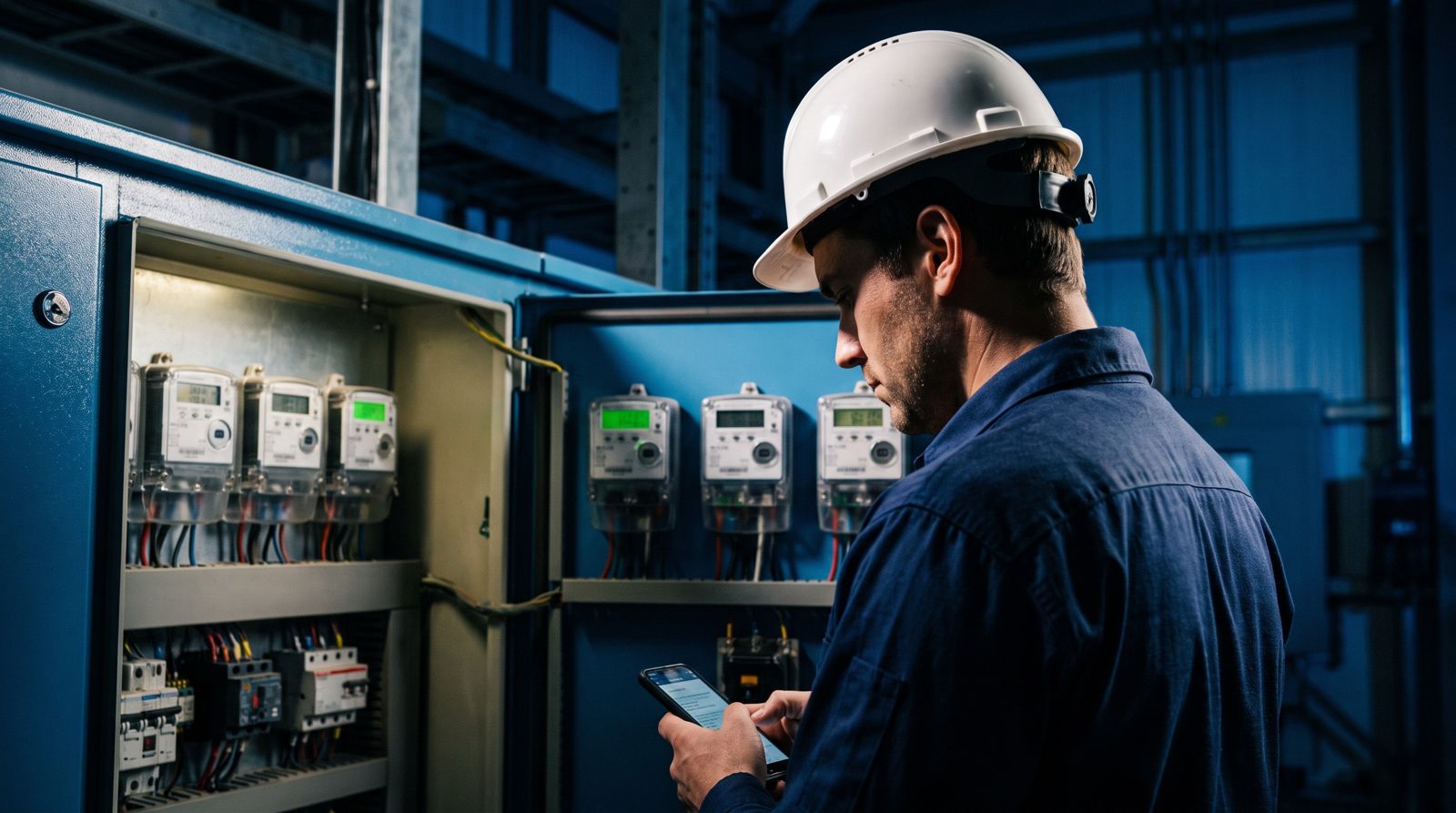
Engineer reading live figures on a phone at a switchgear panel

Six energy mistakes industries make

None of them need new machines to fix. They need the numbers.

  • Paying the bill without checking it

    Billed units and demand often differ from the meter. Upload the bill and compare.

  • Ignoring the maximum demand block

    A single 30-minute peak sets the month's demand charge. Watch the running block.

  • Trusting an unchecked capacitor bank

    Failed stages and wrong sizing bring back the PF penalty. Check output against nameplate.

  • Leaning on the genset

    Genset units usually cost more than grid units. Know exactly how many you produce each day.

  • Not watching solar output

    Dust and tripped inverters cut generation quietly. Compare each day with what the plant should make.

  • Living with harmonics

    They heat cables and transformers and destroy capacitors. Measure them against IEEE 519.

Cutting maximum demand charges

Lower peaks. Lower charges.

Utilities in Pakistan bill industrial customers on the highest 30-minute average demand of the billing month. Everything else in the month can be perfect; one block decides the charge.

  • Know your peaks: the ten highest blocks of the period, and when they happen
  • Set a target: save it per meter, and the platform projects the running block every minute
  • Act in time: an alert at the top of the app while the block is still heading over the target
  • Prove it: peak per billing month and the demand charge it saved

Zainergy EMS warns your team; your team decides which loads to delay.

Preventive energy management

Prevention today, performance tomorrow.

Most electrical failures give warning signs long before they stop production: rising current, falling voltage, growing harmonics, a capacitor stage that no longer switches. Preventive energy management means watching those signs every day.

  • Reduce downtime: fix the drifting feeder before it trips
  • Extend equipment life: keep harmonics, unbalance and overloads in check
  • Lower repair costs: planned work instead of emergency call-outs
  • Keep records: trends and reports for every maintenance decision
Process plant with pumps and a power factor correction panel
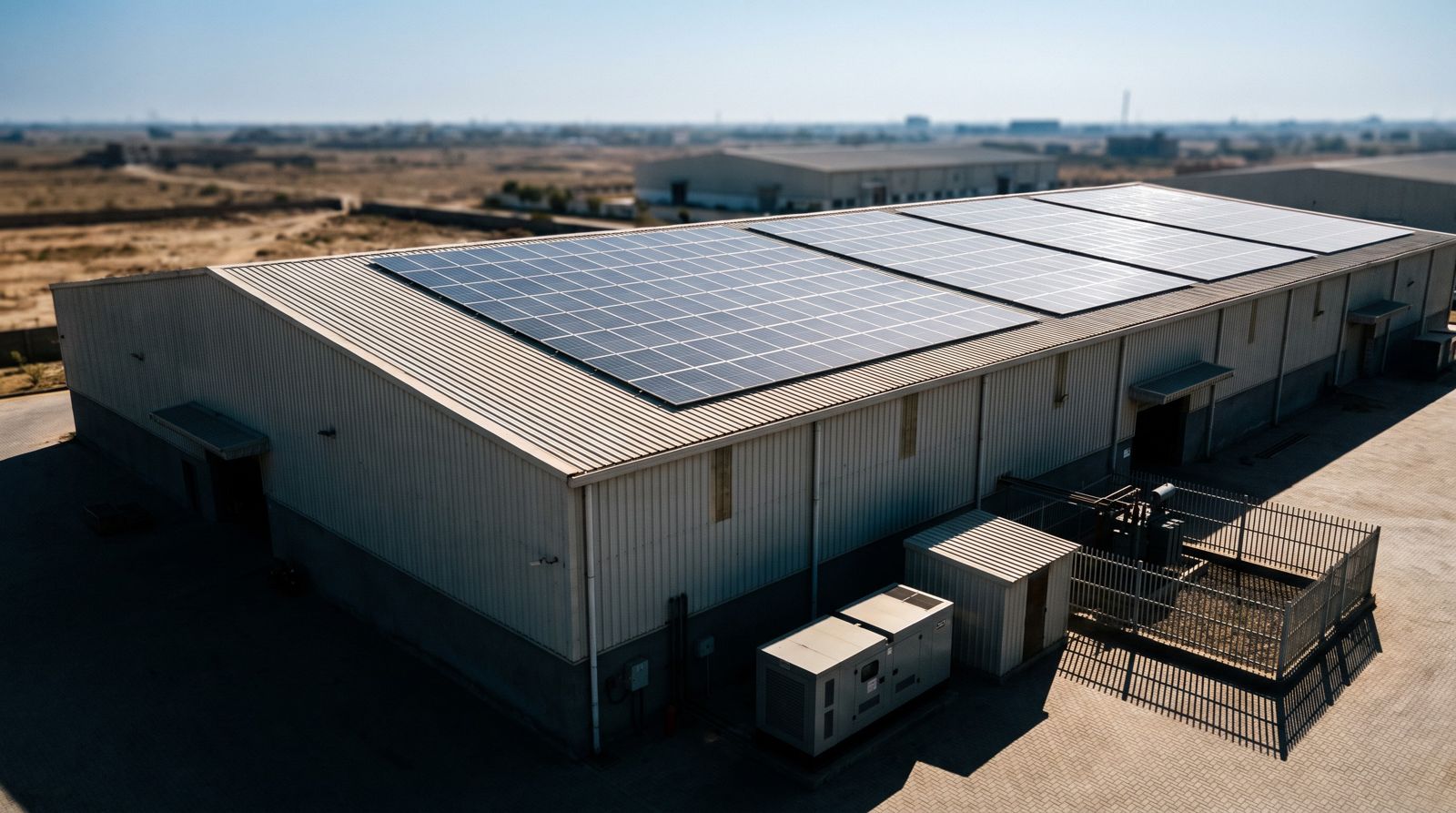
Rooftop solar on a factory

Reducing your carbon footprint

Smart energy today, sustainable tomorrow.

Buyers and lenders increasingly ask exporters for emissions figures. The first step on any net-zero journey is measuring what you use and where it comes from.

  • Measure: estimated CO₂ today and this month from your own meters
  • Shift: more solar self-use, fewer genset hours
  • Reduce: find waste after hours and on idle machines
  • Report: the CO₂ your solar avoided, month by month

Want these numbers for your own site?